What is Car Stereo Installation and How to Do It?
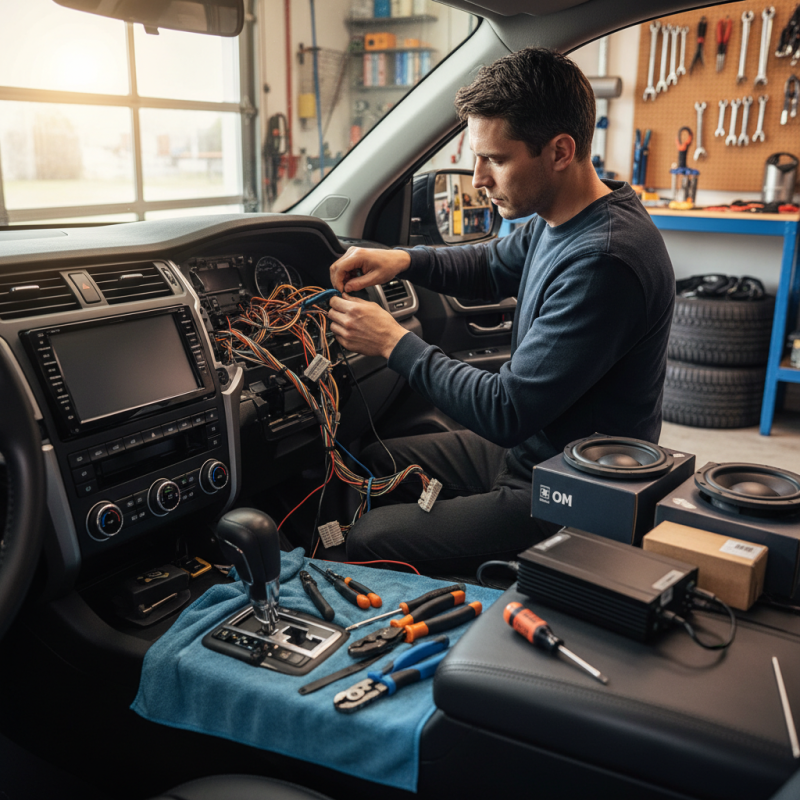
Installing a car stereo can transform your driving experience. Many people underestimate the significance of car stereo installation. It brings better sound quality and modern features to your vehicle. A well-installed stereo enhances entertainment and connectivity while driving.
The process may seem daunting. However, with the right tools and guidance, it can be quite manageable. You may face challenges during installation, like dealing with wiring or fitting components. Despite potential obstacles, completing this task can be fulfilling. It also allows for customizing your car as per your preferences.
Take your time to understand each step involved in car stereo installation. Rushing can lead to mistakes, both in safety and sound quality. Knowing what you need and being patient is essential. Don't hesitate to seek help if you feel stuck. Embrace the learning process and enjoy the journey of enhancing your vehicle.
Understanding Car Stereo Systems: Components and Features
Car stereo systems consist of several key components. The head unit is the control center. It allows you to play music and manage settings. Speakers are crucial for sound quality. They reproduce audio clearly and powerfully. Subwoofers enhance bass, creating a rich listening experience. Amplifiers boost sound output, ensuring every note is heard.
Features vary among stereo systems. Bluetooth connectivity is popular for wireless music streaming. USB ports cater to modern devices, enabling direct playback. Some units support touchscreen displays, offering easy navigation. However, not all systems fit every car. Compatibility issues can lead to frustration during installation. It’s essential to measure before purchasing components.
Installation can be tricky. Follow instructions carefully, but problems can arise. Wires may not match up, requiring adjustments. Improper connections can result in poor sound. Patience is key in this process. Sometimes, professional help might be the best option. Reflecting on the entire process can lead to better results next time.
Choosing the Right Car Stereo: Compatibility and Specifications
When choosing a car stereo,
compatibility is key. Different vehicles have specific requirements for installation.
Verify your car's make and model before making a decision.
Many stereos come with additional features, like
Bluetooth and USB ports.
These can significantly enhance your driving experience.
However, some stereos may not fit correctly. Always double-check dimensions and mounting kits.
Specifications matter as well. Look for sound quality ratings.
Watts and frequency ranges can tell you a lot. Higher watts usually mean better sound.
But, be cautious. Too much power can damage speakers.
Consider what you truly need. Sometimes, simpler options might work best for your listening habits.
Don't overlook user reviews. They often highlight real-world compatibility issues.
Installation can be tricky. Some people struggle with wiring.
Wrong connections might lead to frustrating problems later.
It’s advised to read the manual thoroughly. Allow for a learning curve.
If you're unsure, seek help from a professional.
Getting it right may take time, but it's worth the effort.
Step-by-Step Guide to Car Stereo Installation: Tools Needed
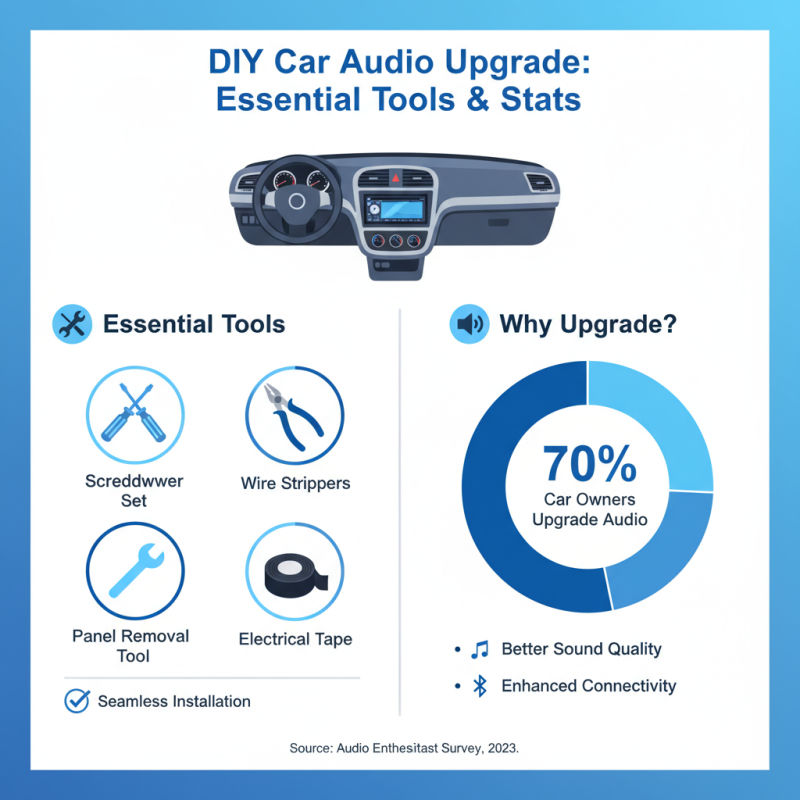
Car stereo installation is an exciting project that can enhance your driving experience. Before diving in, gather the essential tools: a screwdriver set, wire strippers, electrical tape, and a panel removal tool. These tools are vital for a seamless installation. Studies show that nearly 70% of car owners prefer to upgrade their audio systems for better sound quality and connectivity. This indicates a strong interest in DIY installations.
However, the process can be challenging for novices. Many overlook the importance of careful wiring. Poor connections often lead to sound issues or system failures. It's crucial to read vehicle-specific guides that provide wiring diagrams. Approximately 40% of first-time installers mistakenly use the wrong connectors. This is a common pitfall that can cause frustration.
Don’t rush. Patience is key. Be diligent about securing wires and components firmly. Many installers realize too late that loose connections can produce unwanted noise. A survey revealed that 25% of users faced post-installation issues due to inadequate fastening. Take time to double-check everything. It can save you from tearing apart the dashboard later on.
Wiring Best Practices for Car Stereo Installation: Safety Tips
When it comes to car stereo installation, wiring is crucial for achieving optimal performance and safety. According to industry reports, improper wiring can account for up to 30% of installation issues. So, it’s essential to follow best practices while working on your vehicle's audio system.
Tip: Always disconnect the battery before starting the installation. This step prevents any short circuits or electrical shocks. Additionally, make sure to use high-quality wires and connectors. Low-grade materials can lead to overheating or poor sound quality.
Pay attention to the color codes of the wiring harness. Mismatched wires can cause malfunction, impacting audio clarity. According to a survey by Car Audio Magazine, around 25% of DIY installers overlook this detail. This oversight can lead to frustrating experiences.
Tip: Label each wire as you disconnect it. This will help you stay organized and avoid mistakes later. Remember that patience is vital. Rushing through the installation may result in errors and safety hazards. Take your time to double-check every connection before reassembling the system.
Car Stereo Installation Challenges and Best Practices
Common Mistakes in Car Stereo Installation and How to Avoid Them
Car stereo installation can be rewarding, yet it is easy to make mistakes. One common mistake is not reading the user manual of the stereo. Skipping this step can lead to miswiring. Wires may be connected incorrectly, causing the stereo to malfunction. Moreover, not using the right tools can complicate the process.
For example, a lack of a proper trim removal tool often leads to damaged panels.
Another mistake is poor management of cables. If cables are not neatly arranged, they can interfere with other car parts. This can result in buzzing sounds or static. Many installers forget to test the stereo before fully reassembling the dashboard. This oversight can waste time if troubleshooting is needed later. Sometimes, people rush the final assembly, leading to misaligned panels.
Additionally, ensure that the stereo fits well in the designated space. Improper sizing can lead to gaps, which may accumulate dust or debris. If the stereo is too loose, it may rattle while driving. Reflecting on these common missteps can greatly enhance your installation experience. Remember, taking time to perform each step carefully is key.