How to Choose the Best Car Music System for Your Needs?
Choosing the right car music system involves more than just sound quality. According to a recent report by Statista, in 2022, the global car audio market was valued at approximately $37 billion. This figure is expected to grow steadily as more drivers prioritize audio features in their vehicles.
Selecting a car music system requires understanding your unique needs. For instance, examine whether you prefer deep bass for hip-hop or crisp vocals for podcasts. This choice can influence overall satisfaction. A study by J.D. Power highlights that 76% of customers identify audio quality as a critical feature when buying a vehicle.
Your budget and space constraints are also vital. Premium systems offer advanced features, but entry-level models may suffice for occasional listeners. Evaluating how often you drive and the type of content consumed can simplify decision-making. Remember, the ideal car music system should enhance your driving experience without overwhelming it.
Understand Your Audio Preferences and Requirements
Choosing the best car music system starts with understanding your audio preferences. Do you enjoy booming bass, crisp highs, or a balanced sound? Knowing what you like will guide your decisions. Consider the type of music you listen to most. A system that enhances rock might not work as well for classical music.
Think about how you use your audio system. Will you be streaming music, using CDs, or connecting devices? Look for features that suit your lifestyle. For instance, an easy-to-use interface matters when you're driving. Check for Bluetooth connectivity if you're into wireless options.
Gather opinions from knowledgeable friends or online forums. Remember, personal preferences can vary greatly. What sounds great to one person may not appeal to another. It's fine to experiment and adjust. Your first choice may not be your final one. Listen to different setups before making a commitment. Each option offers unique qualities that resonate differently with your tastes.
Explore Different Types of Car Music Systems
When choosing a car music system, it's essential to explore the different types available. Options range from basic factory-installed radios to advanced aftermarket systems with numerous features. Each type has its own advantages and limitations, making the selection process crucial for your listening experience.
Entry-level systems often come with basic functionality. They might have radio, USB, and Bluetooth connectivity, but sound quality can be average. If you love music, consider investing in a more comprehensive audio system. Premium systems often include features like equalizer settings, multiple speakers, and built-in amplifiers. These enhancements can significantly elevate your audio experience on the road.
When evaluating your choices, pay attention to compatibility. Ensure that the system you choose can integrate with your phone and other devices seamlessly. Look for systems that provide user-friendly interfaces and easy controls. Features such as voice commands and touchscreen displays can make your driving experience safer and more enjoyable. Remember to contemplate your listening preferences as well. You might prefer a system that emphasizes bass or one that provides crystal-clear vocals. This personal touch can make a significant difference in how you enjoy your music while driving.
How to Choose the Best Car Music System for Your Needs? - Explore Different Types of Car Music Systems
| Type |
Features |
Pros |
Cons |
| Basic Stereo System |
AM/FM radio, CD player, USB input |
Affordable, simple installation |
Limited features, basic sound quality |
| Mid-Range Multimedia System |
Bluetooth, touchscreen, navigation |
Versatile connectivity, good sound quality |
Might require professional installation |
| High-End Audio System |
Premium speakers, surround sound, high power |
Excellent sound quality, immersive experience |
Expensive, complex setup |
| Portable Bluetooth Speakers |
Wireless, battery-powered |
Easy to use, flexible placement |
May not integrate fully with car system |
| DAB Radio Systems |
Digital broadcasts, improved sound quality |
Clearer reception, diverse stations |
Requires DAB signal, may not be available everywhere |
Evaluate Key Features of Car Audio Systems
Choosing the right car audio system can be overwhelming. With numerous options available, evaluating which features matter most is crucial. According to a report by the Consumer Technology Association, 65% of car owners prioritize sound quality and customization. This statistic reflects a growing trend toward audiophilia in personal vehicles.
One of the essential features to consider is the power output, typically measured in watts. Systems with higher wattage can deliver clearer sound at higher volumes. A common benchmark is 50 watts per channel, which provides a solid base without distortion. Additionally, consider the type of speakers. Component speakers often outperform coaxial ones, delivering improved clarity and separation. However, they require more installation effort and expertise.
Bluetooth connectivity is another vital aspect. A recent survey showed that 70% of drivers use their smartphone for music streaming. Look for systems that offer stable wireless connections and easy pairing. Many users, however, report difficulties with syncing devices. This highlights the need for systems that balance advanced tech and user-friendliness. Evaluating these features requires a practical approach, focusing on your specific needs and listening habits.
Consider Installation Options and Compatibility
Choosing the right car music system goes beyond just sound quality. Installation options and compatibility are crucial factors. You need to assess your vehicle’s make and model. Older cars might not support modern systems, while newer vehicles often have their own interfaces.
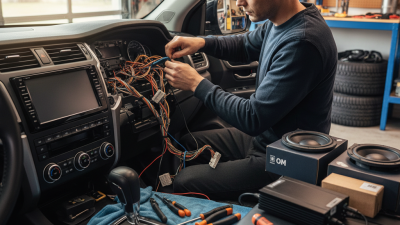
Installation is not always straightforward. Some systems require professional help, while others are designed for DIY enthusiasts. If considering DIY, check for available tools and guides. Installing a unit yourself can save money but may lead to mistakes. Research and gather all necessary materials beforehand to avoid frustration.
Compatibility is equally important. Ensure your music system can connect with your devices. Look for Bluetooth capabilities and multiple input options. Not all systems support all devices. Make a list of your current tech to prevent disappointment. Poor compatibility can ruin your audio experience. Always read reviews to gauge user experiences before making a final decision.
Car Music System Features Comparison
Set Your Budget for Car Music System Upgrades
When planning to upgrade your car's music system, setting a budget is crucial. Determine how much you can spend before diving into options. This helps you avoid overspending and focusing on features that truly matter for your listening experience. Consider both hardware and installation costs. Some systems might look appealing, but can quickly add up if you don't account for installation fees.
Evaluate what features you need. Do you want better sound quality, Bluetooth connectivity, or a touchscreen interface? Each of these will impact your budget differently. Assess your current system's limitations. Maybe you need just speakers or perhaps a whole new head unit. Think about long-term value versus short-term excitement. Sometimes an expensive feature might not actually improve your daily drive experience.
Consider flexible financing options if your budget is tight. Sometimes it might be wise to save a little longer for a more suitable system. Reflect on your listening habits. Are you likely to use all features, or will they go unused? This consideration can lead to wiser spending decisions. Remember, quality often outweighs quantity. Aim for a setup that provides a satisfying sound experience without breaking the bank.