How to Choose the Best Auto Radio for Your Vehicle?
Choosing the best auto radio for your vehicle involves more than just personal preference. The global automotive infotainment market is projected to reach $39.6 billion by 2027, according to a recent report by ResearchAndMarkets. As technology evolves, the features in auto radios are becoming more advanced. Enhanced connectivity and sound quality are now expected standards.
Consider the various features such as Bluetooth, navigation, and compatibility with mobile devices. A study emphasized that 70% of consumers prioritize sound quality when selecting an auto radio. This aspect is crucial, yet often overlooked. Users frequently rush to make a decision without fully exploring their options.
While price is a factor, it's essential to weigh it against durability and functionality. Investing in a high-quality auto radio could enhance your driving experience significantly. However, many might ignore warranty details or installation requirements. Reflecting on these aspects can lead to better choices and satisfaction in the long run.
Understanding the Types of Auto Radios Available on the Market
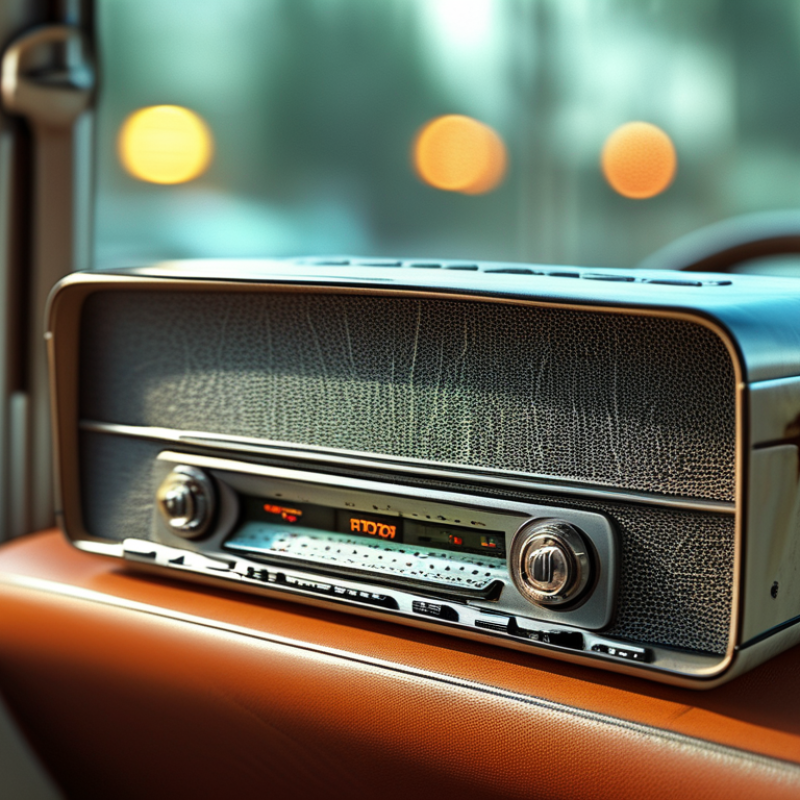
When selecting an auto radio, it's essential to understand the types available. Each type serves unique needs and preferences, impacting your driving experience. The primary categories include traditional radios, digital media receivers, and receiver-integrated systems. Traditional radios focus on AM/FM stations. They are reliable for everyday use but may lack advanced features.
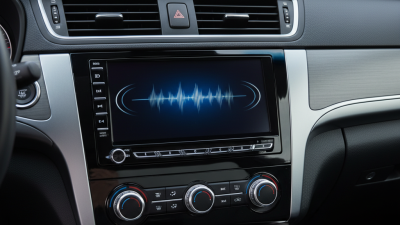
Digital media receivers offer enhanced functionalities. These devices often support Bluetooth, USB, and auxiliary inputs. They allow you to play music from various digital devices. However, they may not have CD players, which some users still prefer. Receiver-integrated systems combine navigation features with media playback. They are ideal for tech-savvy drivers who want everything in one place.
While choosing, consider your usage and preferences. Some users prioritize sound quality, while others focus on connectivity options. Think about how often you travel and the audio content you enjoy. Reflecting on these factors can guide your selection process. Balancing features with your vehicle's setup is crucial for a satisfying experience.
Key Features to Consider When Selecting an Auto Radio
When selecting an auto radio, consider the sound quality. A good radio should enhance your listening experience. Look for features like equalizers that allow customization. Built-in amplification can make a significant difference in sound clarity and volume. Pay attention to the radio tuner as well; a strong tuner ensures better reception, especially in remote areas.
Connectivity options are crucial too. Bluetooth capabilities enable hands-free calling and music streaming. USB ports can charge devices and play music from flash drives. Ensure the radio is compatible with your smartphone’s operating system. Some units offer integration with popular apps, which can be a game changer for entertainment.
Installation is another important aspect. Consider whether you will install the radio yourself or hire a professional. Ensure the chosen unit fits your vehicle's dashboard and wiring. Anticipate potential challenges during installation. Research online for hydraulic guides and user reviews to prepare. An informed choice will help you enjoy your time on the road.
Assessing Compatibility with Your Vehicle's Make and Model
When selecting an auto radio, understanding vehicle compatibility is crucial. Different vehicles have unique specifications. For instance, the size and shape of the radio slot vary widely. A study from the Automotive Aftermarket Industry Association notes that mismatched sizes account for 30% of returns. It's vital to measure your current unit before purchasing a new one.
Additionally, wiring harnesses can differ. Some models may require additional adapters for seamless installation. According to a report by the Consumer Technology Association, nearly 25% of vehicle owners face installation challenges due to compatibility issues.
Vehicle make and model also influence sound quality and features. Newer vehicles often have advanced systems that may integrate poorly with generic radios. Keeping an eye on these aspects not only helps in selecting the right product but also ensures a smoother installation process. Consider visiting automotive forums for real-world advice on compatibility experiences, as user feedback often highlights these nuances.
Exploring Additional Functions and Connectivity Options
When choosing an auto radio, connectivity options play a crucial role. Modern radio systems often include Bluetooth, allowing for hands-free calls and music streaming. According to a report by Statista, nearly 68% of car owners prioritize Bluetooth functionality in their audio systems. This feature enhances convenience and safety while driving.
Another vital aspect is compatibility with smartphone applications. Many new radios support Apple CarPlay and Android Auto. These platforms enable seamless integration of your phone’s navigation and media. A study from IHS Markit showed that vehicles equipped with such technology see higher user satisfaction ratings. However, some drivers report difficulty in setting up these systems. This can lead to frustration and delays in enjoying the radio's full range of features.
Antenna quality also deserves attention. A poor antenna can significantly affect the radio's reception. Users often overlook this detail. An article from the Automotive Electronics Association noted that 45% of issues with sound quality stem from inadequate antennas. Finding a radio with a robust antenna design can help minimize these problems. Connectivity and additional features are essential for a satisfactory driving experience, but they require careful consideration and testing.
Evaluating Budget Considerations for Your Auto Radio Purchase
When considering an auto radio, budget is a crucial factor. Setting a clear budget helps narrow down your options. Prices vary based on features like Bluetooth, GPS, and touchscreen displays. Consider what features you truly need versus what is just appealing. It’s easy to get swayed by fancy gadgets, yet they may not fit your driving habits.
Evaluate your spending priorities. If sound quality matters the most, invest in higher-end speakers or amplifiers instead. Look for deals that may provide added features without breaking the bank. Research local retailers and online reviews to gather insights. Reading user experiences gives you a better idea of product reliability.
Don’t shy away from exploring used options. They can offer great savings while still functioning well. However, examine their condition carefully. Ask yourself if the trade-offs, like missing modern connectivity options, are worth it. Remember, being mindful of what you really want will guide you toward a satisfying purchase. Your vehicle deserves the right audio experience—ensure you balance cost with quality.