How to Choose the Best Mobility Scooter in 2026
Choosing the best mobility scooter in 2026 requires more than comparing prices and glossy specifications. Real roads matter. A scooter that feels stable in a showroom may behave differently on cracked pavements, steep driveways, or wet supermarket entrances. This guide examines practical details, including turning radius, battery range, seat support, ground clearance, portability, and control layout. It also considers how these features affect everyday confidence.
The Mobility Scooter should match the user, not simply the latest marketing trend. A lightweight travel model may fit a car boot, yet offer less suspension and shorter range. A larger scooter may feel safer outdoors, but it can become difficult to store at home. Comfort is personal. Seat width, armrest height, tiller position, and vibration control deserve careful attention during a real test ride. If possible, try the scooter on surfaces that resemble your daily routes.
This overview draws on manufacturer specifications, user-focused testing principles, and guidance commonly discussed by mobility specialists. It encourages readers to check local servicing, warranty coverage, replacement batteries, and retailer support before buying. Independent advice from an occupational therapist or qualified mobility professional may also reveal needs that a product page misses. No model fits everyone. Even experienced users can overlook transport weight or charging access. That is why this guide compares practical strengths with realistic limitations, rather than declaring one universal winner. The right choice should support safer movement, manageable ownership, and greater independence throughout 2026.
Define Your Mobility Needs Using CDC’s 1-in-4 Disability Estimate
The CDC estimates that about 1 in 4 adults in the United States has a disability. That figure offers useful context, but it does not mean one quarter of adults need a mobility scooter. Disabilities affect people differently, and mobility can change with pain, fatigue, balance, or distance. Start with your own daily routines, not a statistic alone.
Notice where walking becomes difficult. Is it the long path from a parking space, standing in a grocery queue, or moving around your home? Write down how far you comfortably travel and what surfaces you encounter. A scooter that handles smooth indoor floors may not suit cracked sidewalks or steep driveways. Measure doorways and storage space, too. Small details matter.
Talk with a qualified health professional about safe use, posture, transfers, and any limits related to your condition. If symptoms vary, describe both easier and harder days; one appointment may not capture the whole picture. It can feel awkward to track these details. Still, notes about distance, discomfort, and recovery time can make the conversation more concrete. Your needs may change, so leave room to reassess rather than treating today’s choice as permanent.
Classify Scooter Types by Terrain, Speed, and ANSI/RESNA Standards
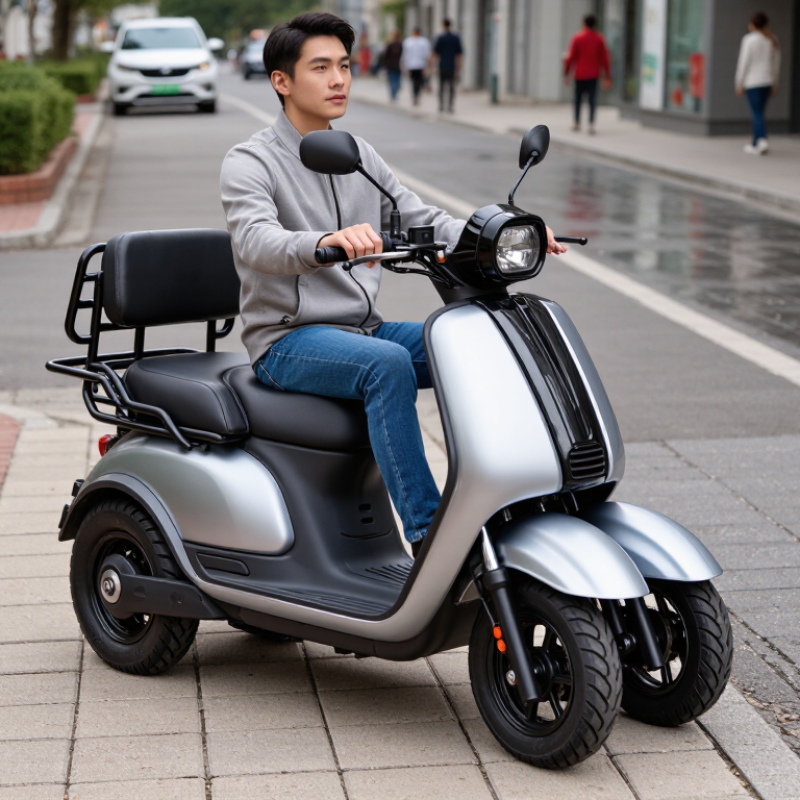
Choosing a mobility scooter starts with the ground beneath its wheels. Three-wheel models often turn more easily in tight indoor spaces, such as narrow hallways or crowded shops. Four-wheel models usually offer a steadier feel on uneven sidewalks and outdoor paths. For gravel, grass, or sloped driveways, look for suitable ground clearance, tire design, and a stated terrain rating. No scooter handles every surface equally well.
Speed and comfort
Speed matters, but the fastest option is not automatically the safest or most useful. Compare the scooter’s maximum speed with your routes, stopping space, and comfort around pedestrians. A compact travel scooter may suit smooth, short trips, while a larger outdoor model can provide more stability and range. Check the owner’s manual for operating limits; advertised speed can vary with load, battery condition, and terrain. Small details count.
Testing and real-world use
ANSI/RESNA references help clarify performance testing, not simple scooter classes. Relevant standards and test methods may address areas such as stability, braking, or battery performance, depending on the product and applicable edition. Ask for documentation showing which tests were performed, and confirm that the scooter meets your needs with a qualified mobility professional. Standards cannot predict every real-world condition. I would still test a scooter on a safe, familiar route before deciding; a smooth showroom floor can hide a rough ride outdoors.
Compare Range Using ISO 7176-4 Testing and Real-World Battery Data
When comparing mobility scooters in 2026, treat range figures as test results, not promises. ISO 7176-4 measures energy consumption and calculates a theoretical distance under controlled conditions. The test helps compare models on a more consistent basis. It does not recreate every trip. Real pavements, slopes, stops, and turns change energy use.
Ask how the published figure was obtained, and check the test conditions. Then compare it with usable battery capacity and practical reports from riders with similar routes. A daily journey over smooth paths may differ sharply from one with steep ramps or frequent starts. Cold weather, tire pressure, rider weight, and battery age can also reduce distance. Small details matter.
Keep a margin. A scooter advertised for 25 miles may not reliably cover that distance on hilly streets with an older battery. That gap matters. Look for repeated real-world observations, not one unusually high result, and note whether riders started with a full charge. If possible, test the scooter on a route like your own and track the battery display before and after. Displays can be approximate, too. I would not plan a return trip around the last bar; that assumption deserves a second look.
Check Transport Safety Against ISO 7176-19 and Vehicle Weight Limits
Choosing the best mobility scooter in 2026 starts with transport safety, not appearance. Check whether the scooter and its tie-down system align with ISO 7176-19. This standard addresses mobility devices used as seats during vehicle travel. It does not guarantee safety in every vehicle.
Ask for clear test information and read the scooter’s user manual carefully. Check the approved occupant weight, scooter weight, and battery weight separately. Then compare the total load with the vehicle’s floor, ramp, lift, and tie-down limits. Check the label. A small calculation can prevent a serious problem. For example, a 120-kilogram scooter, 80-kilogram user, and 15-kilogram battery create a 215-kilogram transport load. Your vehicle may not support it.
Inspect four securement points before purchase. They should remain accessible when the scooter is inside the vehicle. Confirm that straps, docking equipment, or a lift are rated for the actual model and total weight. Keep enough clearance around doors and emergency exits. A trained mobility technician can verify fit, balance, and loading angles. Vehicle manuals may list lower limits than general equipment guidance, so follow the strictest figure. Rules also vary by country and vehicle type.
Do not rely on marketing language alone. Request dated test documents and written weight limits. Recheck them after adding accessories, baskets, or a replacement battery. It is easy to overlook those extra kilograms. That oversight deserves attention. Safety decisions should remain evidence-based, even when the scooter feels stable on a short drive.
Evaluate Medicare Criteria, Warranty Coverage, Service, and Total Cost
Choosing a mobility scooter in 2026 means checking more than its price tag. If you hope to use Medicare coverage, confirm current eligibility and documentation requirements before ordering. Coverage may depend on medical need, an evaluation, and whether the equipment meets applicable rules. Ask your clinician and supplier which records are needed, and request the answer in writing. Do not assume every scooter qualifies. That assumption can become an expensive mistake.
Read the warranty line by line. Check how long the frame, battery, electronics, and labor are covered; they may have different terms. Ask who arranges repairs and whether service is available near your home. A scooter can look perfect on a showroom floor. A week without it is different. Find out typical repair times, parts availability, and whether a loaner is offered. Keep the service contact details somewhere easy to reach.
Calculate total cost over several years, not just the purchase price. Include batteries, routine maintenance, delivery, setup, accessories, and any uncovered repairs. Ask for an itemized estimate, then compare it with your expected use. Try the scooter on a tight indoor turn and a rough sidewalk, if possible. Seat comfort is oddly easy to overlook until an hour passes. My checklist still cannot predict that feeling, so take a real test ride before deciding.