Where to Buy Top Aluminum Profile For Pergola From China?
Choosing an Aluminum Profile For Pergola supplier in China requires more than comparing catalog prices. The profile must withstand sunlight, rain, wind, and repeated thermal expansion. Alloy selection, wall thickness, extrusion accuracy, and powder-coating quality all influence service life.
The global aluminum extrusion market reached approximately USD 85 billion in 2023, according to Grand View Research. Its report also projects continued growth through 2030, supported by construction and lightweight architectural applications. The International Aluminium Institute reported global primary aluminum production above 70 million tonnes in 2023. China remains the largest production base, but scale alone does not prove reliability.
Look beyond production volume.
Heidi Brock, President and CEO of the Aluminum Association, has stated, “Aluminum is infinitely recyclable.” That principle matters for pergola projects because responsible sourcing includes material traceability and future recyclability. However, recycling claims should not replace practical inspections. Ask for alloy certificates, coating test results, dimensional tolerances, and samples from the same production line.
A dependable Chinese supplier should explain whether it uses 6063-T5 or another suitable alloy, how dies are maintained, and which coating standard applies. Request photos of extrusion lines, cutting equipment, corner joints, and packed profiles. Small details expose weak control.
The cheapest offer may conceal thin walls, uneven anodizing, or poor packaging. I have seen attractive samples fail to represent bulk production. That risk deserves attention.
A stronger buying decision combines audited factory experience, clear technical drawings, independent testing, and realistic delivery commitments. Quality is not a slogan. It is measurable.
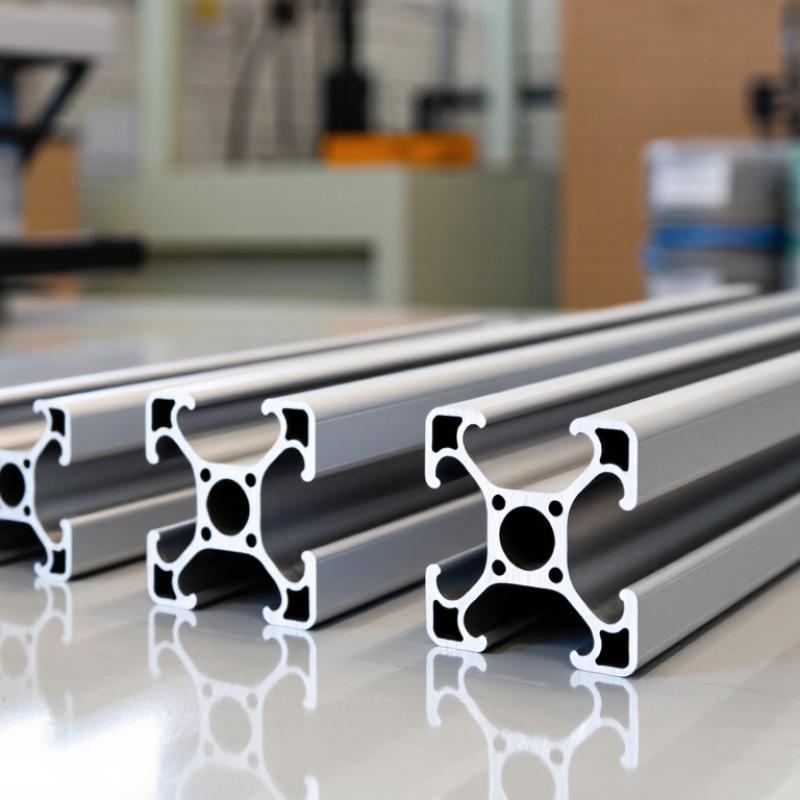
A suitable aluminum profile for a pergola must balance strength, weight, corrosion resistance, and appearance. The Aluminum Association’s Aluminum Standards and Data lists 6063-T5 with a minimum tensile strength of about 19 ksi and yield strength near 14 ksi. For larger spans, 6063-T6 offers higher strength, but it may reduce forming flexibility. The lightest section is not always the best choice.
Profile geometry matters as much as alloy selection. Deep box sections resist bending better than thin, flat shapes. Internal ribs can improve stiffness without adding excessive material. For a coastal pergola, specify controlled wall thickness, sealed joints, and a durable powder coating system. Architectural coating standards commonly classify high-performance finishes by color retention, chalk resistance, and film adhesion. Ask the Chinese supplier for test records, coating thickness results, and salt-spray evidence.
Wind design still needs local engineering. A profile that performs well in a factory test may fail when posts, anchors, or beams are undersized. Real projects should consider span length, roof weight, drainage, thermal movement, and exposure. Industry life-cycle studies from the International Aluminium Institute report that aluminum recycling can use only a fraction of the energy required for primary production. That supports responsible material selection, but it does not replace structural checks. I have seen attractive pergolas with weak corner connections. This detail deserves more attention.

Guangdong is a strong starting point for pergola aluminum profiles, especially around Foshan and nearby extrusion centers. The region has dense supplier networks, experienced die makers, and flexible production lines. Many factories can produce 6063-T5 or 6063-T6 profiles with smooth surfaces and stable dimensions. Foshan workshops often support custom cuts, drilling, and powder coating. This helps when a pergola design includes hidden drainage channels or unusual corner joints.
Zhejiang and Jiangsu also deserve careful attention. Zhejiang suppliers commonly focus on architectural extrusion, surface treatment, and export packaging. Jiangsu has several mature metal-processing clusters with advanced anodizing and powder-coating equipment. Their profiles may show consistent wall thickness, clean corners, and fewer coating defects. Ask for test reports, alloy certificates, coating thickness records, and production samples. A serious supplier should explain tolerances clearly, not simply promise “top quality.”
Shandong can be useful for larger structural profiles and cost-sensitive projects. However, regional reputation alone cannot guarantee performance. I have found that a polished sample may hide weak packaging or inconsistent batch control. Request samples from different production lots. Check scratches, straightness, connector fit, and color consistency under daylight. One detail is easy to miss: protective film can conceal small coating problems. Visit the factory when possible, or use an independent inspection service before shipment. Small misunderstandings happen. Clear drawings and written acceptance standards reduce them.
| Region / Production Cluster | Why It Is Considered for Pergola Profiles | Common Product Strengths | Typical Alloy Options | Finishing Options | Relevant Standards to Request | Logistics Considerations |
|---|---|---|---|---|---|---|
| Foshan, Guangdong | One of China’s best-known aluminum extrusion centers, with a dense supporting supply chain for dies, machining, coating, fabrication, and architectural applications. | Custom hollow and solid profiles, integrated frame systems, high-volume extrusion, and flexible prototyping for residential and commercial pergolas. | 6063-T5/T6 for architectural profiles; 6061-T6 where higher structural strength is required. | Powder coating, anodizing, PVDF coating, wood-grain transfer, and mill finish. | GB/T 5237.1; EN 755; EN 12020; ASTM B221; applicable powder-coating specifications. | Well connected to major South China ports, including Nansha and Yantian; suitable for containerized export orders. |
| Nanhai, Guangdong | A major aluminum-processing area within Foshan, known for extensive extrusion capacity and specialized architectural aluminum manufacturing. | Large die libraries, complex cross-sections, profile cutting, CNC machining, drilling, tapping, and assembly preparation. | 6063-T5/T6 is widely used for weather-resistant architectural frames; 6061-T6 may be specified for load-bearing components. | Qualicoat-type powder-coating systems, anodized finishes, PVDF, and custom colors subject to sample approval. | GB/T 5237 series; EN 755/EN 12020; ASTM B221; coating thickness and adhesion requirements. | Efficient for mixed orders involving profiles, accessories, machining, and packaged pergola components. |
| Jiangsu: Wuxi and Suzhou Area | A developed manufacturing base with strong metal-processing, industrial-equipment, and export-oriented production capabilities. | Consistent dimensional control, industrial-grade extrusion, larger structural sections, and engineering support for customized systems. | 6063-T5/T6 for architectural applications; 6061-T6 and other 6xxx-series alloys when strength specifications demand them. | Powder coating, anodizing, electrophoretic coating, and mill finish; confirm outdoor durability requirements. | GB/T 5237.1; EN 755; EN 12020; ASTM B221; ISO 9001-based process documentation where available. | Convenient access to Shanghai and Ningbo shipping routes; inland transport should be included in landed-cost calculations. |
| Shandong: Weifang and Linyi Area | A significant northern China aluminum-processing region with established extrusion, construction-material, and surface-treatment capacity. | Competitive production for standard and semi-custom profiles, longer lengths, and projects requiring coordinated material supply. | 6063-T5/T6 for most pergola frames; 6061-T6 for selected structural parts after engineering review. | Powder coating, anodizing, fluorocarbon-based coatings, wood-effect finishes, and mill finish. | GB/T 5237; EN 755; EN 12020; ASTM B221; coating color, gloss, thickness, and corrosion-resistance requirements. | Qingdao Port is a practical export gateway; compare inland freight with South and East China alternatives. |
| Zhejiang: Huzhou and Ningbo Area | Strong private manufacturing networks and convenient access to East China export infrastructure support both standard and customized aluminum products. | Small-to-medium production runs, precision machining, accessory integration, and responsive development for new profile designs. | 6063-T5/T6 for architectural profiles; 6061-T6 for higher-strength applications subject to design calculations. | Powder coating, anodizing, electrophoretic coating, PVDF, and wood-grain finishes. | GB/T 5237 series; EN 755/EN 12020; ASTM B221; documented coating and dimensional inspection criteria. | Ningbo-Zhoushan Port provides strong international connectivity; useful for East China export programs. |
| Fujian: Nan’an and Quanzhou Area | A regional manufacturing base with aluminum extrusion and building-material experience, particularly relevant for South and Southeast Asian supply routes. | Standard architectural profiles, custom dies, fabrication services, and cost-conscious production for medium-sized projects. | 6063-T5/T6 is common for pergola frames; specify 6061-T6 only when supported by structural calculations and inspection records. | Powder coating, anodizing, wood-effect finishes, and mill finish. | GB/T 5237; EN 755; EN 12020; ASTM B221; agreed requirements for coating thickness, adhesion, and color tolerance. | Xiamen and regional ports may offer convenient routes; verify sailing schedules and consolidation options for smaller shipments. |
Where to Buy Top Aluminum Profile For Pergola From China?
How to Evaluate Chinese Aluminum Profile Manufacturers
A reliable Chinese manufacturer should show more than polished factory photos. Request extrusion records, alloy certificates, and recent third-party test reports. For pergola frames, 6063-T5 or 6063-T6 aluminum is commonly selected for its appearance, corrosion resistance, and workable strength. Verify compliance with EN 755 and EN 12020, especially profile dimensions, straightness, and tolerances. Ask for proof.
Production capacity also matters. The International Aluminium Institute reported global primary aluminum production above 70 million tonnes in 2023. This scale supports broad material availability, but it does not guarantee consistent profile quality. Check billet sourcing, die maintenance, extrusion temperature control, and aging procedures. A factory audit should include one live production run, not only a showroom visit. Details matter.
Ask for samples from different batches. Measure wall thickness at corners, screw channels, and drainage sections. Small variations can complicate assembly and weaken connections. Independent coating tests should cover film thickness, adhesion, color change, and salt-spray performance. The Qualicoat technical requirements are useful references for architectural coatings. Still, certification alone is not enough. I have seen impressive documents hide poor packaging and scratched profiles. Specify protective film, corner guards, bundle labels, and moisture control in the purchase contract. Allow time for corrective samples. The cheapest quotation may become expensive after rework, freight damage, and delayed installation.
When sourcing aluminum profiles for a pergola from China, buyers should verify standards before comparing prices. EN 755 defines extrusion tolerances and mechanical properties for many European applications. ASTM B221 covers aluminum-alloy extruded bars, rods, tubes, and profiles. Ask suppliers for alloy grades, temper designations, tensile results, and dimensional inspection records. A generic “international standard” statement is too weak.
Customization should include profile depth, wall thickness, drainage channels, concealed fasteners, corner joints, and motorized-shade compatibility. Request CAD drawings and a physical sample before mass production. Powder coating needs careful review. Ask about coating thickness, color variation, pretreatment, and outdoor corrosion testing. ISO 9001 certification can support process control, but it does not guarantee every shipment. The ISO Survey 2022 recorded more than 1.2 million ISO 9001 certificates worldwide, showing its reach, not its limits. Buyers still need independent inspection.
Tips: Specify tolerances in writing. Require alloy and temper certificates for each batch. For coastal projects, consider marine-grade alloys and enhanced surface treatment. The International Aluminium Institute’s 1.5°C scenario projects aluminum demand could rise about 80% by 2050. That growth may increase pressure on raw materials and lead times. I would not accept the cheapest quotation without checking billet origin, testing frequency, and packaging. One overlooked detail can cause visible gaps, water drainage problems, or difficult installation. Be practical, but keep questioning the specification.
Compare commonly specified pergola alloys by typical minimum tensile and yield strength before requesting quotations. Actual values depend on profile section size, temper, and the applicable standard.
ASTM B221, EN 755, EN 12020, or GB/T 5237.2, with documented dimensional and mechanical inspection results.
Specify alloy, temper, profile width, wall thickness, cut length, machining, drainage channels, fastener slots, and connector geometry.
Ask for alloy certificates, coating thickness, color consistency, dimensional tolerances, load calculations, and sample approval before production.
Reference values shown: 6063-T5 is commonly selected for architectural extrusions, while 6061-T6 provides higher strength for heavily loaded structural components. Confirm the final design with a qualified engineer.
Where to Buy Top Aluminum Profile For Pergola From China?
How to Purchase and Import Pergola Aluminum Profiles from China
China remains a major source for pergola aluminum profiles, but purchase decisions need more than a low quotation. The International Aluminium Institute reports that building and construction consume about one-quarter of global aluminum demand. This supports strong supply capacity, yet quality still varies between factories. Request alloy grade, temper, wall thickness, surface-treatment standard, and profile drawings before negotiation. For pergolas, powder coating, drainage channels, corner joints, and corrosion resistance deserve special attention.
Ask suppliers for production photos, inspection records, and a recent material certificate. An ISO 9001 certificate helps, but it does not replace independent inspection. Confirm whether the quotation includes tooling, packaging, inland transport, export documents, and shipping terms. Use the correct customs classification with your broker; aluminum profiles commonly fall under HS 7604, while completed structures may use different codes. UN Comtrade data can help compare China’s export records and destination-market trends.
Tips: Start with one sample order. Check color consistency, cut accuracy, coating adhesion, and packaging damage. Specify every tolerance in writing. A vague drawing can create expensive rework. Do not rely only on product photographs. They may hide thin walls or weak joining parts. The World Bank’s Logistics Performance Index shows that shipping reliability differs significantly across markets, so allow buffer time. My practical view is simple: the cheapest profile may become costly after duty, rejected goods, and replacement freight. Supplier verification is worth the extra days.


